Wildness Splendors: South Africa Unveiled
- The Editorial Office

- 11 feb 2024
- Tempo di lettura: 8 min
A practical Guide to Wildlife Adventures and Cultural Marvels

South Africa is certainly a country full of amazing things to do and to discover, expecially if you come from an European city or, in general, from a metropolitan area. If you love nature and experiences in the wildness this is for sure the right trip to do: safari, national parks, animals, the ocean and the coastal area, sunset and huge spaces and roads in the nature and anything else. There is so much to do that is better to take some time if you want to enjoy this place: we’ve been there for a bit more than 2 weeks and it’s the minimum to see enough things… that, although, represent only the 5% of the country!
Here some tips for you: useful information before your arrival, some things you should do and can’t miss while there. So, let’s start!
Before your trip
Documents
If you are planning a trip to South Africa for tourism purposes, you will obviously need a passport. The passport must have a residual validity of at least 30 days following the expected date of exit from the country.
Best time of the year
For Italian readers: remember that seasons are opposite, so during the italian winter in south africa is summer and during our summer is winter. We did our trip in January and it was the best period: leaving from Italy with 3 degrees or less and finding 30 degrees in SA, was certainly the perfect choice for us.
To understand what is the best period for a trip to South Africa it is obviously necessary to consider the geographical area you decide to visit: South Africa is a very large country, so temperatures can change from area to area.
In the Cape region the climate is Mediterranean with winter rain and good summer weather, but with strong winds throughout the year and marked variability throughout the day.
In summer (December-February) temperatures are around 30°, while in winter (July-August) around 18°. Rains are frequent between May and August. Therefore the best time to visit Cape Town is from November to April.
The coastal area of South Africa around Durban is characterized by its hot and humid summers and winters with temperatures hovering around 23°. The rains in this area of South Africa are not frequent, as the weather is often sunny; the rainiest period, in any case, goes from October to May.
The warmest period goes from January to March, while the ideal sea temperature for a dip goes from December to April, and then decreases between June and October.
If you are planning to go on a safari in the Kruger National Park and visit its surroundings, we recommend the period from May to September. In this period the season is dry, therefore the vegetation is less lush and devoid of leaves. It will be easier to spot the animals. Rainfall in this area is concentrated from November to March.
Money and how to to pay
The official currency of South Africa is the South African Rand (ZAR), therefore any withdrawals at ATMs will provide cash in this currency. Credit cards are accepted almost everywhere, while banks are open from Monday to Friday from 9.00 to 15.30 and on Saturdays from 8.30 to 11.00.
Remember to notify your bank of your trip to South Africa, so that your card is enabled for withdrawals and thus avoid it being blocked and always check the exchange rate before carrying out any operation.
Almost anywhere is possible to pay with card (we found it the best way), so is also possible to do the entire trip without exchanging money. Could be useful to have some Rand to pay tips (that is mandatory). In restaurants tips is 10% and you can add it directly to the bill, paying with card.
Sim card
you can find SIMs in special shops, especially in tourist centers or at the airport (for example in Johannesburg Airport when you land). We advise you to choose the Vodacom telephone company.
We found very useful the e-sim: you can buy it directly online before your trip and chose the right plan/giga and dates, it isn’t a physical sim and you don’t have to change number.
In large cities and tourist places there is no shortage of free wi-fi, as well as in restaurants and cafés. Remember to enable your phone for international roaming, so as not to have problems.
How to move internally
This depends on your itinerary. If you plan to visit the emblematic sites of South Africa and therefore move from one area of the country to another, it is convenient to also take internal flights, so as to reduce distances and have more time available while travelling.
If you want to explore South Africa on a road trip, we recommend taking the Garden Route and the Panorama Route. In this case, obviously, you will need to rent a car.
We always rented a car and then used internal flights (not so expensive) to move from Johannesburg to Durban and from Durban to Cape Town.
Time Zone
South Africa respects this timetable: from March to October it is the same time as in Italy, while from November to April in South Africa it is one hour more.
Electricity
The electricity voltage in South Africa is 220/230 V, but the sockets are different from ours, so to use them you need a universal adapter.
This means that you will not need a power converter but a simple adapter. In lots of accomodations you won’t need it, because there are different international sockets (for example the European one) and adapters.
In some area you could have the load shedding (come hotels will provide you the hours without electricity).



Things to do during your trip
South Africa holds wonderful places, thanks to an astonishing alternation of nature and cosmopolitan metropolises. We suggest you an itinerary of 15 days (that's what we did), but better to take more time if you can.
1. Three days in Durban & Umhlanga
Durban, South Africa, is a vibrant coastal city known for its golden beaches and diverse cultural influences. Its lively atmosphere is complemented by the nearby resort town of Umhlanga, famous for its iconic lighthouse and upscale hotels. You can enjoy here a mix of water sports, explore the bustling markets, or savor delicious cuisine in Durban. Umhlanga offers a luxurious escape with pristine beaches, shopping and stunning ocean views: here you can walk along the path, take a coffee or have a brunch in front of the ocean or run if you like sport.
2. Three days and two nights of Safari
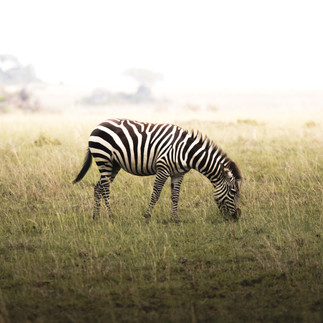
Of course one of the best, most suggestive and exciting experience is driving between the nature and see the animals. You can find lots of National Parks as well as private game reserves. The costs and services are different: it depends on the type of experience you want. We reccommend and immersive experience and to sleep inside the camps.
Beware: animals could actually come inside the camps sometimes! But rangers are there and it’s certainly worth it. There are lots of nice places to sleep in and it’s really the best wat to do this. Here a list of some of the most famous parks:
1. Kruger National Park: One of Africa's most renowned wildlife reserves, Kruger National Park is vast and diverse, offering the chance to spot the "Big Five" (lion, elephant, buffalo, leopard, and rhinoceros) along with numerous other species.
2. Addo Elephant National Park: Located in the Eastern Cape, Addo is a haven for elephants, boasting a large population of these magnificent creatures. Visitors can also encounter lions, rhinos, and various antelope species.
3. Hluhluwe-iMfolozi Park: Situated in KwaZulu-Natal, this park is known for its successful white rhinoceros conservation efforts. It provides a rich wildlife experience, with diverse ecosystems and a variety of animal species.
4. Madikwe Game Reserve: Found near the Botswana border, Madikwe is one of South Africa's largest game reserves. It offers a malaria-free safari experience and is home to the "Super Seven," including the Big Five plus cheetah and wild dog.
5. Pilanesberg Game Reserve: Conveniently located near Johannesburg, Pilanesberg showcases a fascinating mix of wildlife and landscapes, set within an ancient volcanic crater. Visitors can enjoy both day and night safaris in this easily accessible reserve.
3. Three days in Cape Town
Cape Town is one of the major cities and of course a must see. Here you can find almost everything: nice restaurants and bars, the ocean and nice beaches to relax, mountains, trails and hikings, museums and culture. From here you can also take the ferry to visit Robben Island. Here a list of some things to do in Cape Town:
1. Table Mountain Cableway & Lion's Head: Take a cable car to the top of iconic Table Mountain or hike up to Lion's Head summit for breathtaking panoramic views of Cape Town and the surrounding coastline. The scenery is particularly stunning during sunset or sunrise.
2. Robben Island Tour: Visit the historic Robben Island, where Nelson Mandela was imprisoned for 18 years. The guided tour provides insights into South Africa's struggle for freedom and democracy.
3. V&A Waterfront: Explore the vibrant Victoria & Alfred Waterfront, offering a mix of shopping, dining, and entertainment. Take a harbor cruise, visit the Two Oceans Aquarium, or simply enjoy the lively atmosphere.
5. Swimming in the ocean & visit the beaches: Although the water is freezing, you can’t miss this experience.
6. Cape Peninsula Tour: Drive along the scenic Cape Peninsula, stopping at Hout Bay, Cape Point, and Boulders Beach to see the African penguins. Don't miss the picturesque Chapman's Peak Drive.
4. Driving along the coast from Cape Town to Stellenbosch
One of the best way of understanding the width of spaces, the different landscapes and the magnificence of the South African nature is driving along the coast from Cape Town. You can stop and see some points of interest during the way:
The Cape of Good Hope: It’s a stunning headland that offers breathtaking views. It’s located in in Table Mountain National Park, so you have to access and pay a ticket. Inside the park you can find lots of accomodation, some nice restaurants, bars and hikings. P.s. beware of the baboons!
Boulder's Beach: Another activity you can’t miss is seeing the African penguins. You can pay a ticket and you’ll have access to both the beach to relax and to the path to see the penguins
5. Three days visiting Wine Farms & Stellenbosch
There are lots of nice wine farms in this area in the middle of the nature. You can visit them on your own but also take a ticket for a “wine tram” and have a suggestive trip by train.
6. Four days of relax in the West Coast National Park
Amazing place between nature, animals and beautiful landscapes. You can pay a ticket to visit the West Coast National Park: driving inside, going to the beaches and also you can sleep in one of the accomodations inside.
Curiosities
Traditional “Braii”: The braii is part of the South African tradition and culture, representing a cherished tradition of communal cooking and socializing. It involves grilling meat, fish or vegetables over an open flame, socializing with a glass of wine or the traditional “Amarula”.
Languages: did you know that 11 official languages are spoken in South Africa? Most people speak Afrikaans, but you will have no problem communicating in English - everyone understands it and can speak it.
Food&Drinks to try; roiboos tea (hot or cold), amarula, bunny chow, poikee, South African wines (MCC), rock shandy, king clip, snoek.

After your trip
When you’ll come back from your trip to South Africa you have to keep in mind one thing: you won’t forget African nature, landscapes, sunset and wonderfulness for a long time… so beware of this feeling! ;)

© The Editorial Team, 2024.
Commenti